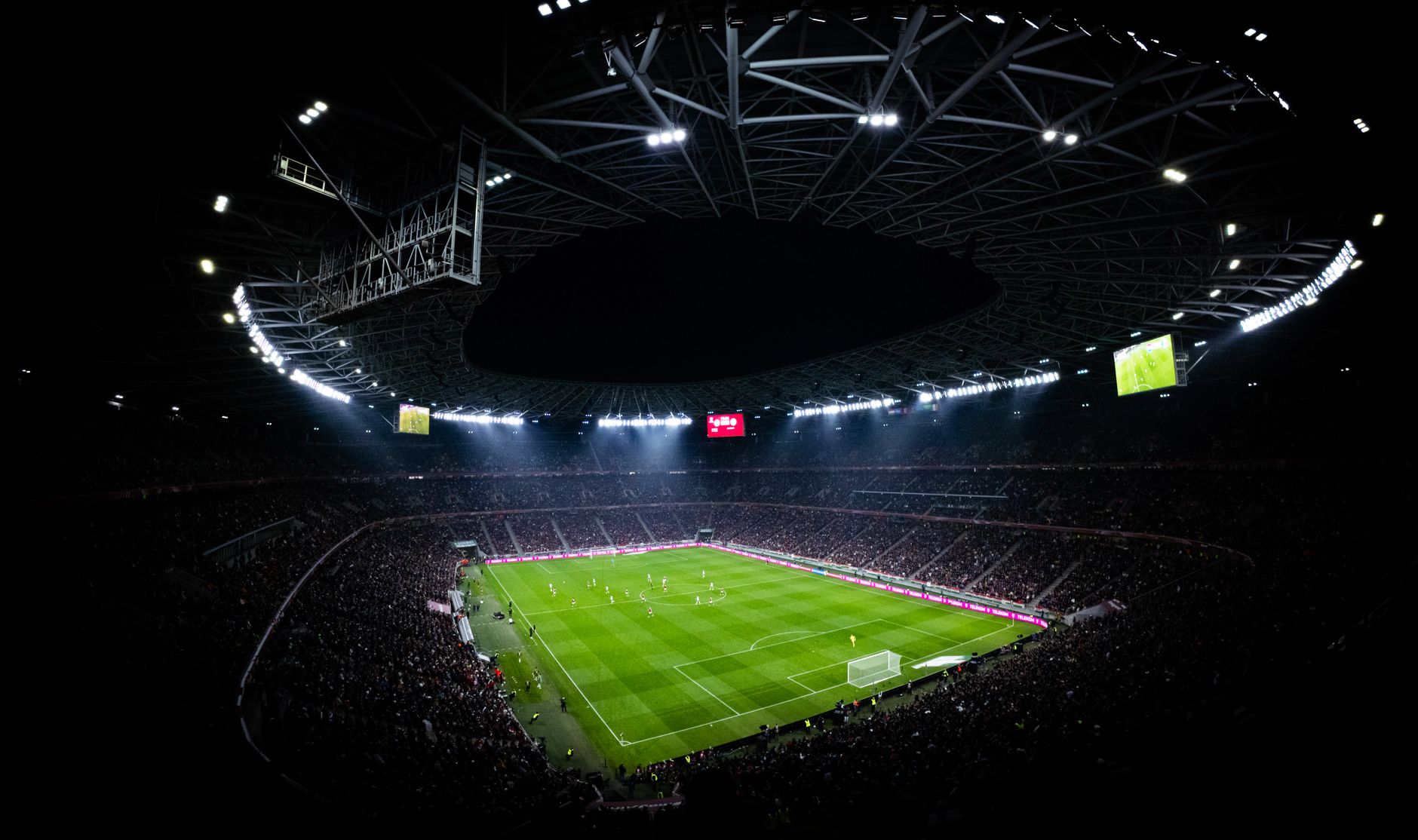
Football spends most of its energy on situations nobody fully controls. Open play is a running negotiation between twenty-two players, and the most a coach can do is bias the probabilities. A dead ball is a different kind of problem. The ball is stationary, its position is known precisely, the defending side is standing still, and the attacking side gets several uncontested seconds to arrange itself. It is the only phase of the game that can be rehearsed in advance and then executed close to the way it was drawn on a board.
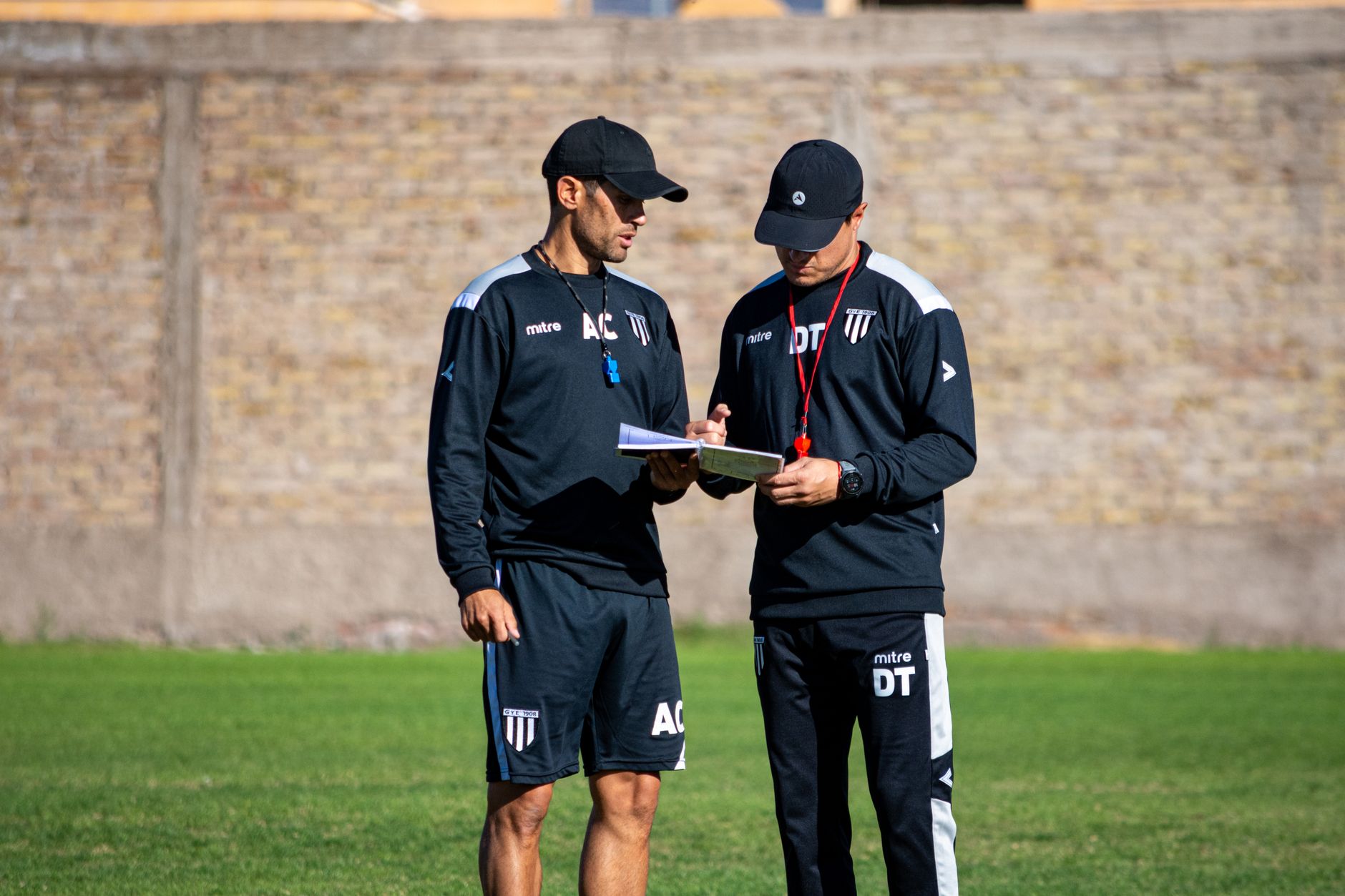
That property is why set-piece coaching turned into a specialism rather than one line on an assistant's job description. Once clubs accepted that the controllable phase deserved dedicated attention, the work turned out to be large enough to fill a role on its own: designing routines, cataloguing an opponent's habits, drilling choreography until it survives contact, and building the defensive structure that stops the other side doing the same thing in the other direction.