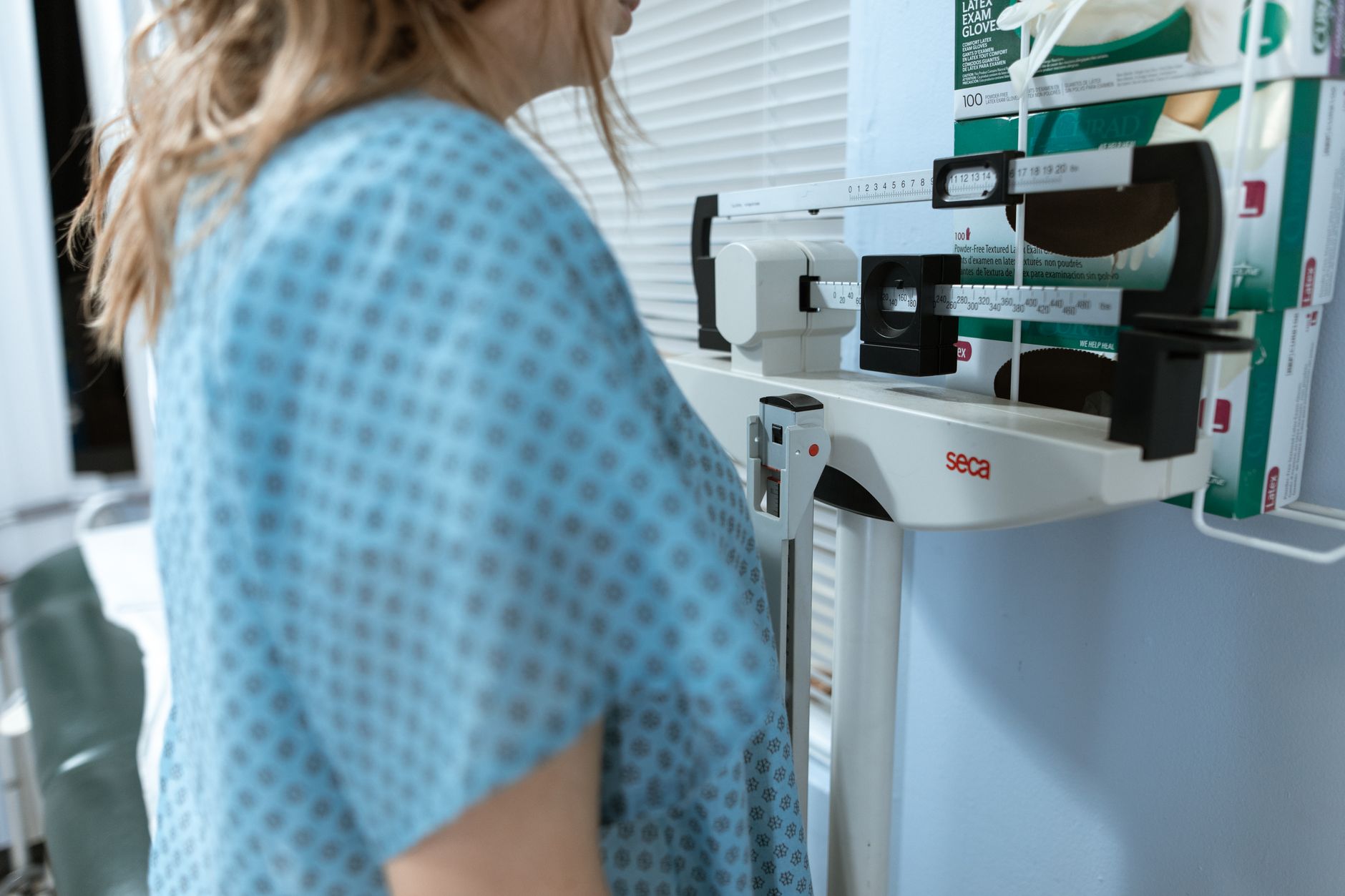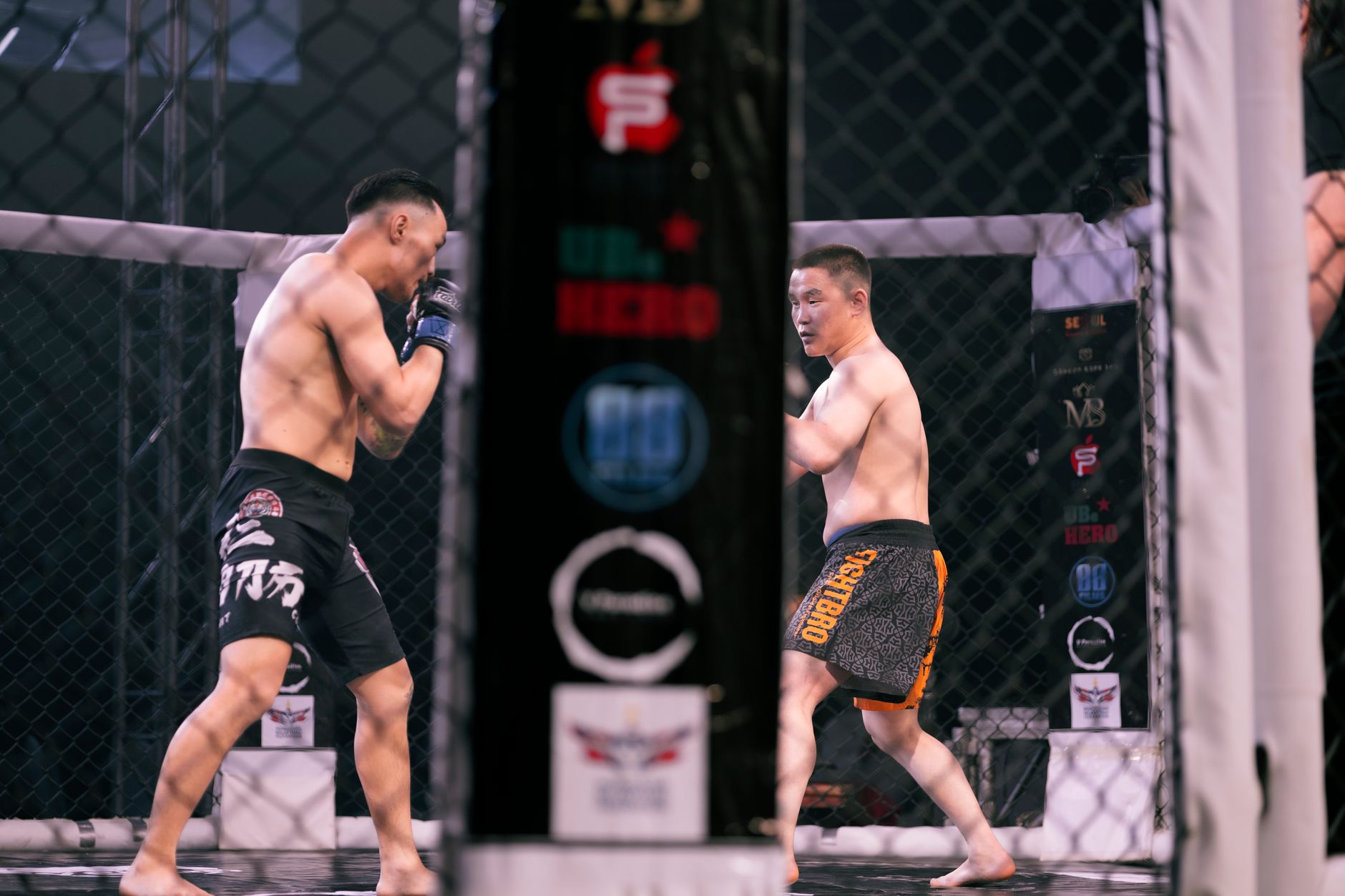
On December 10, 2015, a 21-year-old Chinese flyweight named Yang Jian Bing checked into a hospital in Pasay, Philippines, showing signs of heat stroke. He had spent the previous day cutting weight for a bout against Geje Eustaquio at ONE Championship 35. The following day, ONE officials announced he had died of cardiopulmonary failure. His fight was canceled before it happened.
That death became a turning point for one of Asia's largest MMA promotions, and the system it produced, hydration testing built around a urine specific gravity test, is still one of the most discussed weight-cutting reforms in combat sports. A decade later, it is worth asking what the reform actually changed, where it has failed, and what the underlying science says about the practice it was built to prevent.