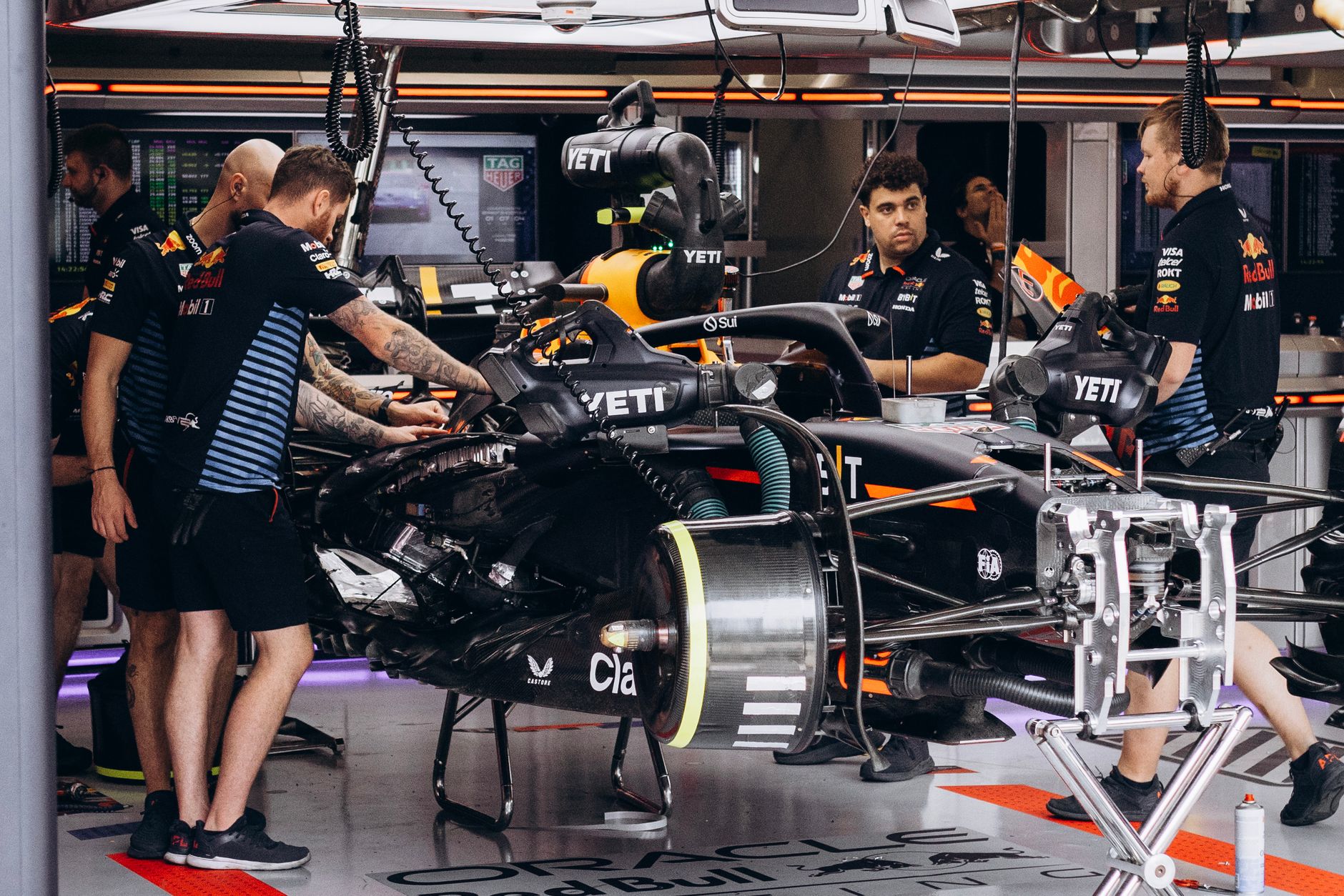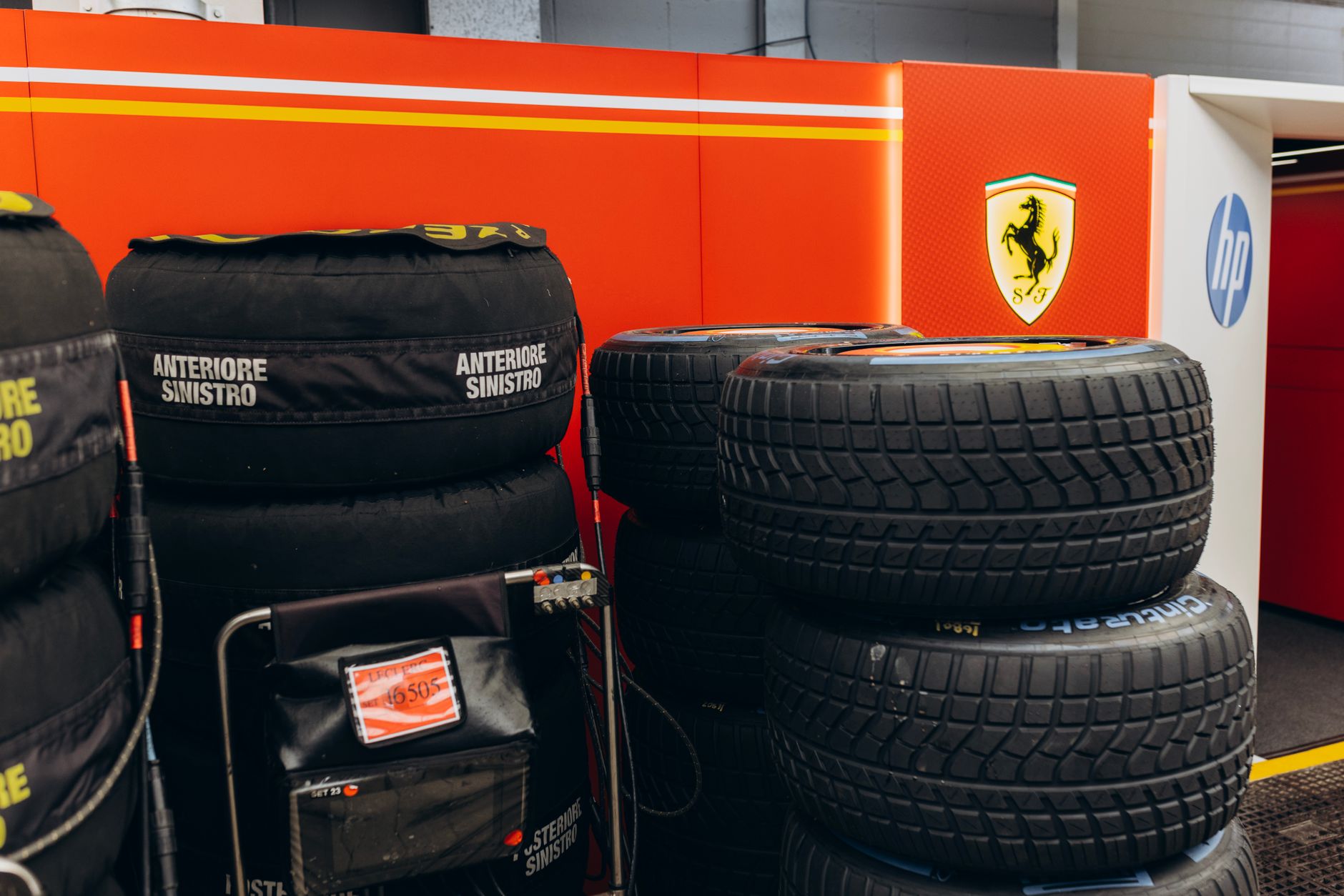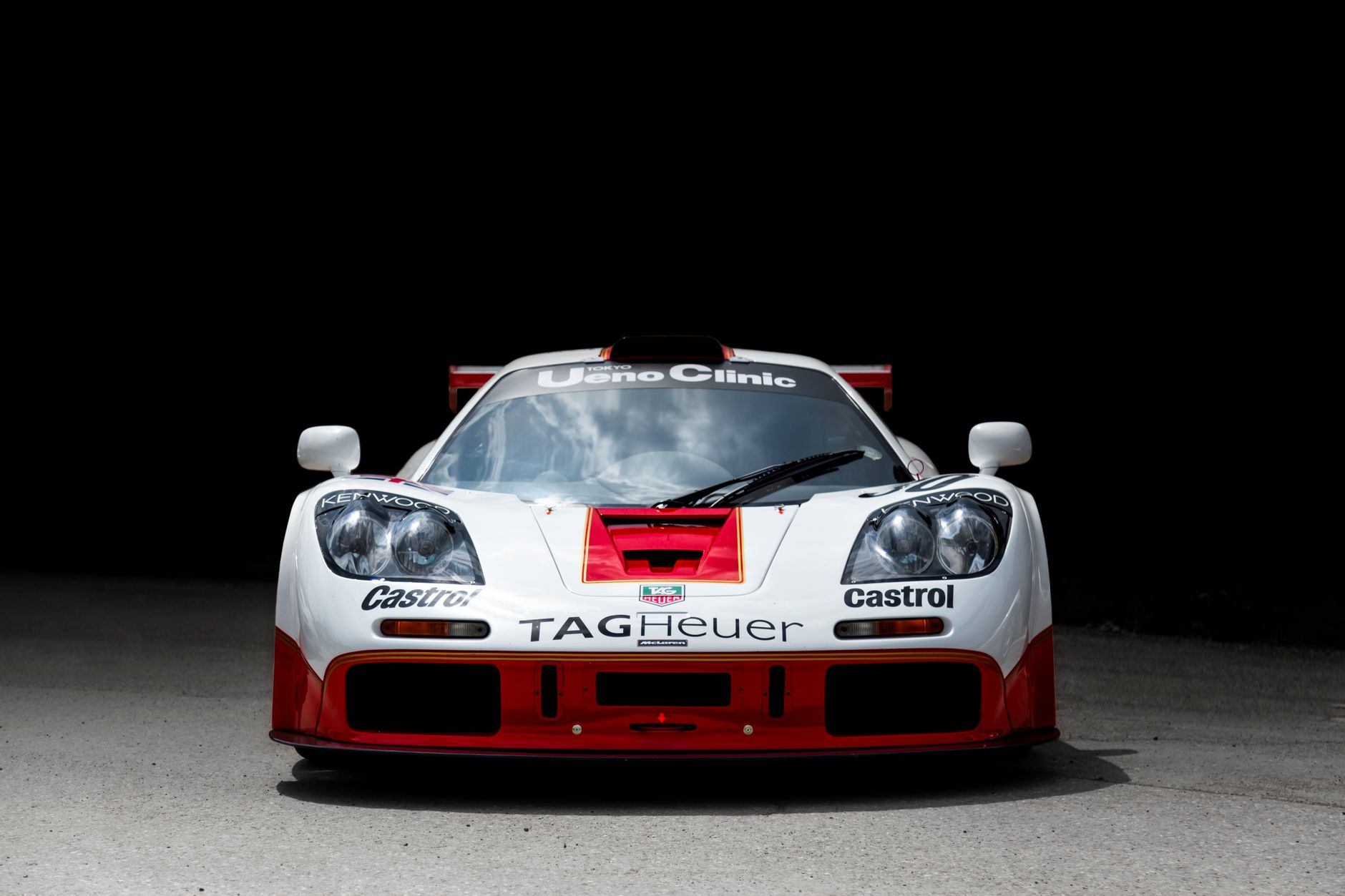
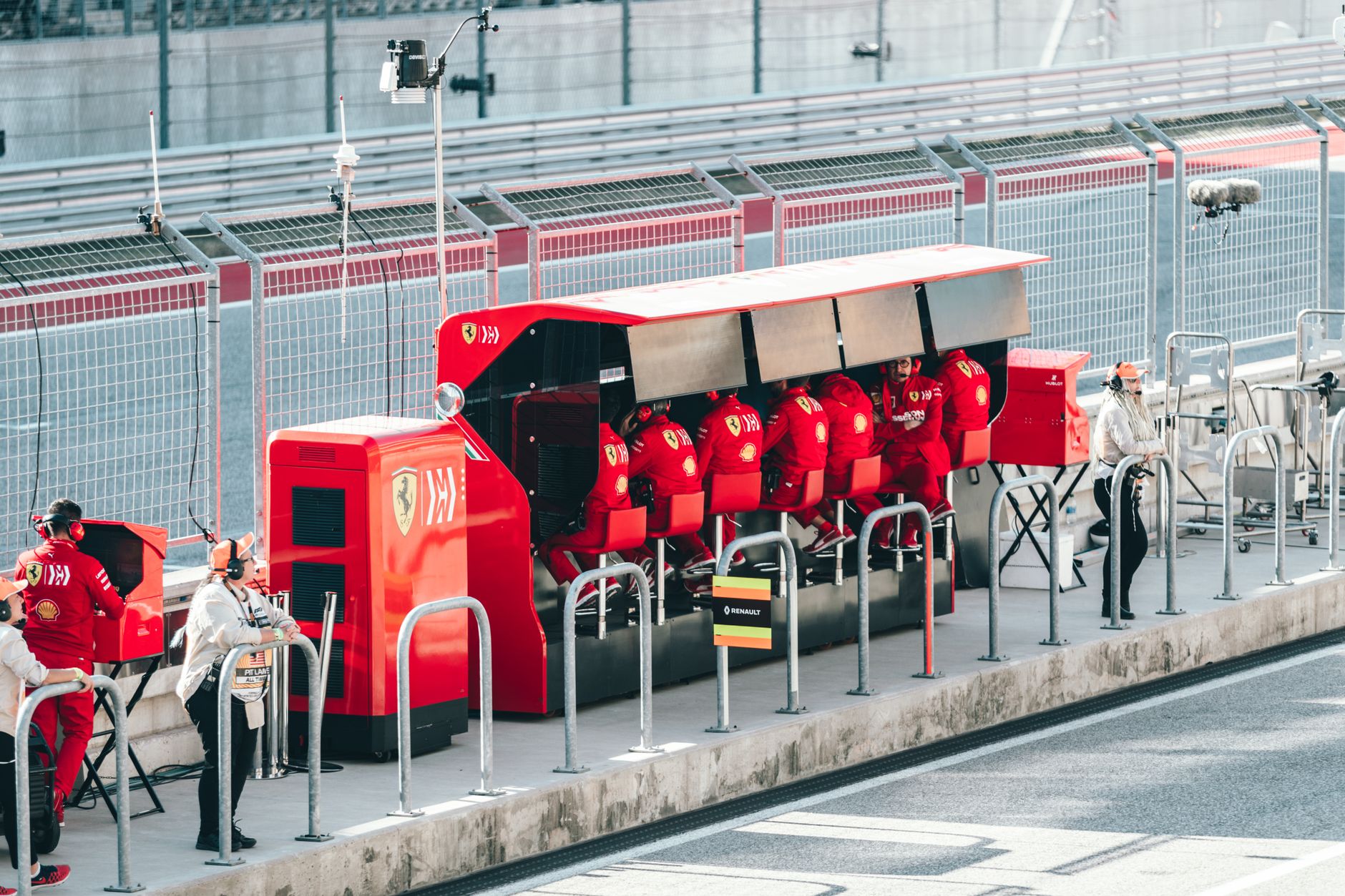
Before 2021, the biggest constraint on a Formula 1 car's performance was not aerodynamics or engine design. It was the size of the check a manufacturer was willing to write. Estimates from the years before the cap put Mercedes, Ferrari and Red Bull's annual spending somewhere north of 400 million dollars each, while midfield teams operated on a fraction of that, sometimes under 150 million. A driver's skill and a team's setup mattered, but a team with three times the budget of its rival could simply run more wind tunnel hours, more CFD simulations and more prototype parts until something worked.
The cost cap that arrived for the 2021 season was built to break that link between bank balance and lap time. Five seasons later, it has done something more specific than just closing the spending gap: it has forced every top team to treat engineering staff as the scarcest resource on the balance sheet, which has reshaped how F1 teams are actually built.