How Point Construction Follows the Surface
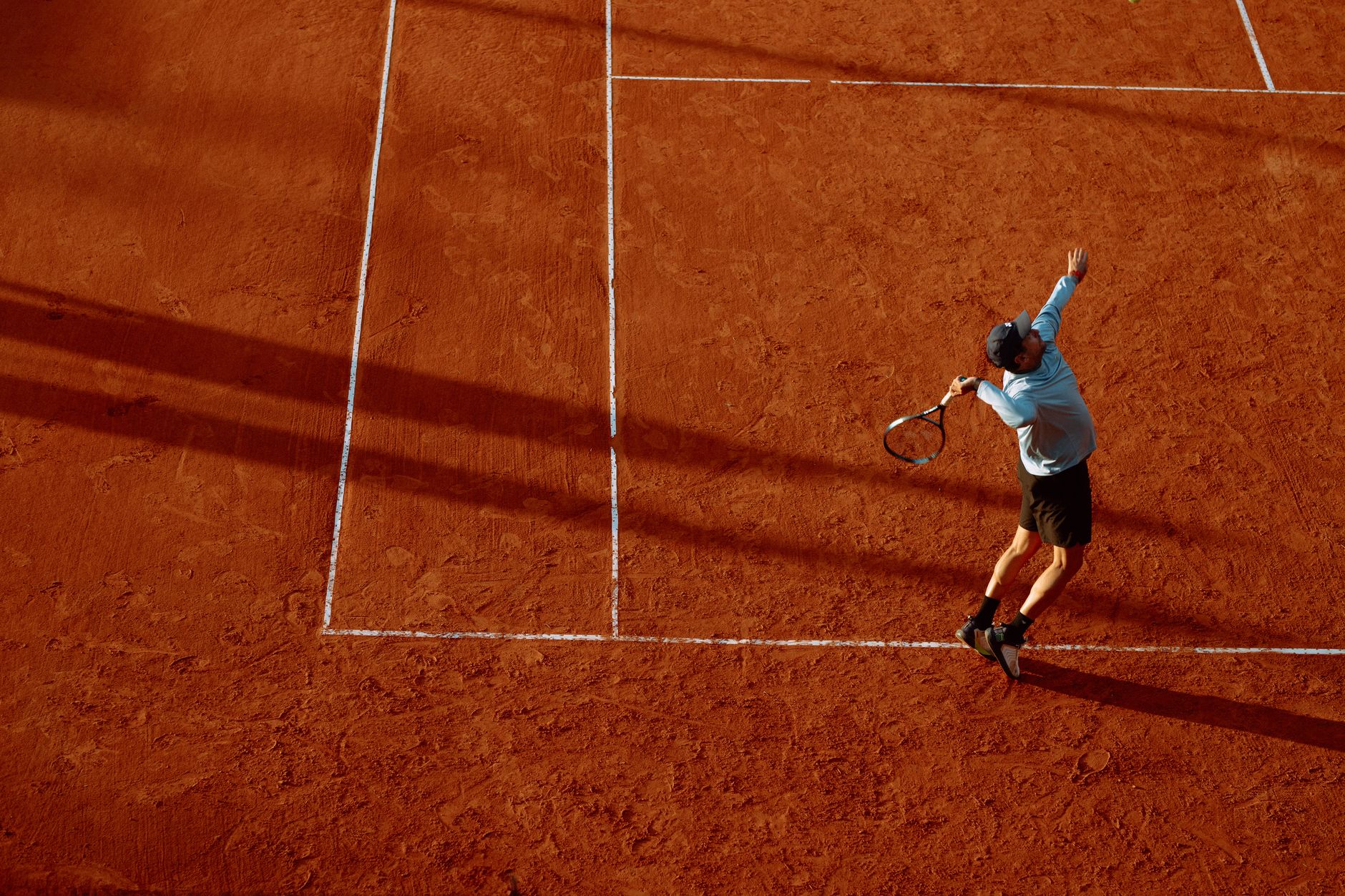
A higher, slower bounce gives the defender time, and time rewards defence. On clay the returner can reach more balls, the server's advantage shrinks, and a winning shot rarely arrives from a single strike. Points are therefore built: angles are created gradually, opponents are moved from side to side, and topspin is used to push a rival behind the baseline before the court opens. Rallies extend, and matches become tests of sustained work as much as of shot quality.
A low, skidding bounce inverts all of that. Grass shortens the time the returner has, which raises the value of the serve, makes the first shot after the serve decisive and keeps approaching the net viable. Points are shorter and more decided by execution in the opening exchanges than by attrition. Hard courts, being predictable and intermediate, reward the balanced player: a reliable serve, depth and pace off the ground, and enough movement to defend when the first strike does not finish the point.