What a Continuous Calendar Does to Bodies
Training and competing are not the same physiological activity, and the distinction is what makes a genuine off-season valuable. Adaptation, the process by which a body gets stronger in response to load, happens during recovery rather than during the load itself. A block of weeks with no competitive obligation is where strength work can be done heavily enough to matter, where a minor chronic problem can be rehabilitated rather than managed, and where accumulated fatigue can clear. A calendar that never provides that block does not remove the need for it. It defers the cost.
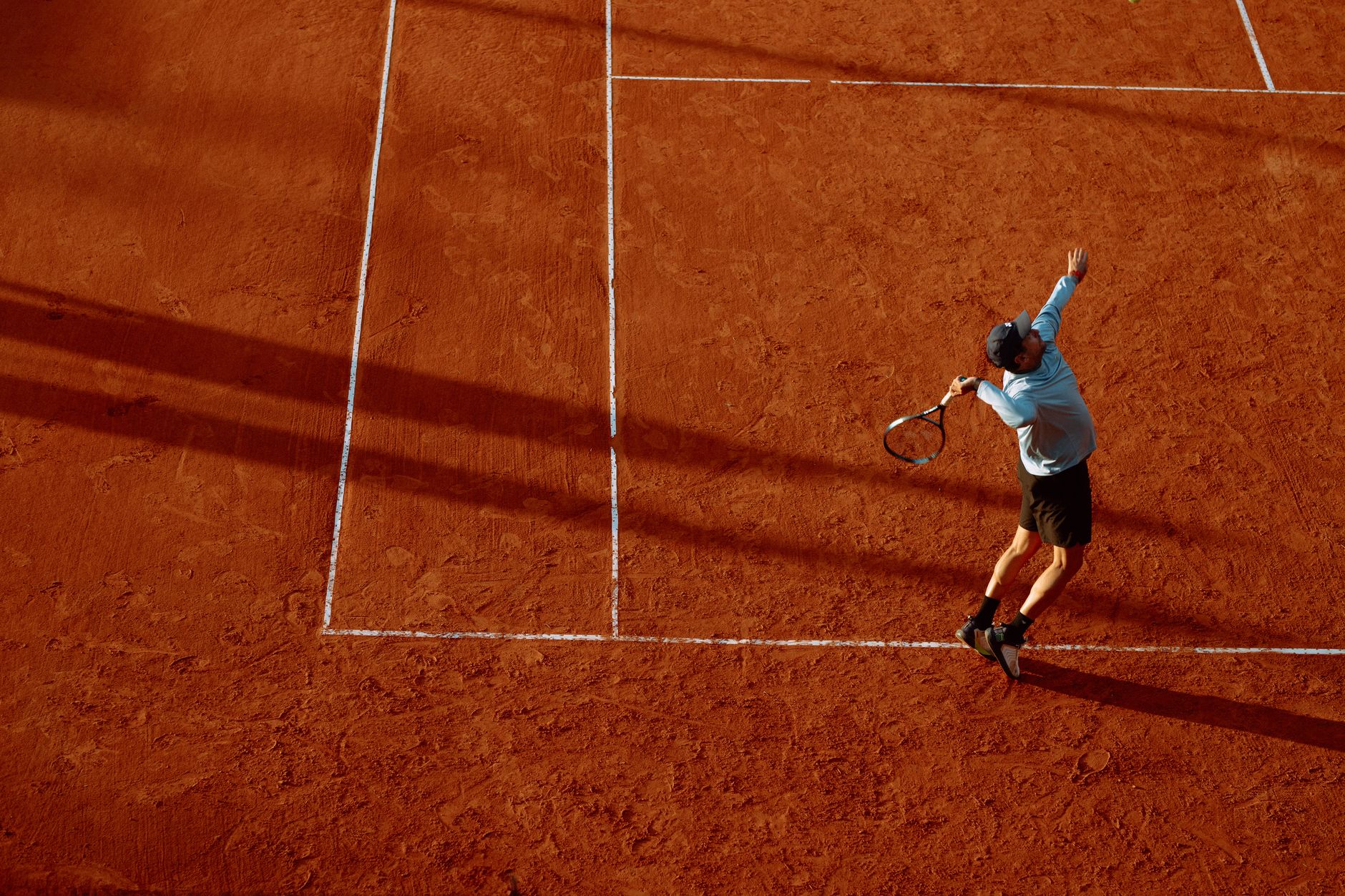
Tennis also loads the body asymmetrically, through a serve that is a repeated one-sided rotational movement and through surface transitions that change how the legs are loaded within a single year. Without a reset, players carry deficits forward, and in practice injury becomes the off-season, which is why so many long careers show a pattern of enforced layoffs rather than planned ones. That the tours provide mechanisms letting an injured player re-enter using a frozen ranking is sensible, and also an admission that extended absence is expected to arrive involuntarily.