Designing a Routine That Survives Contact
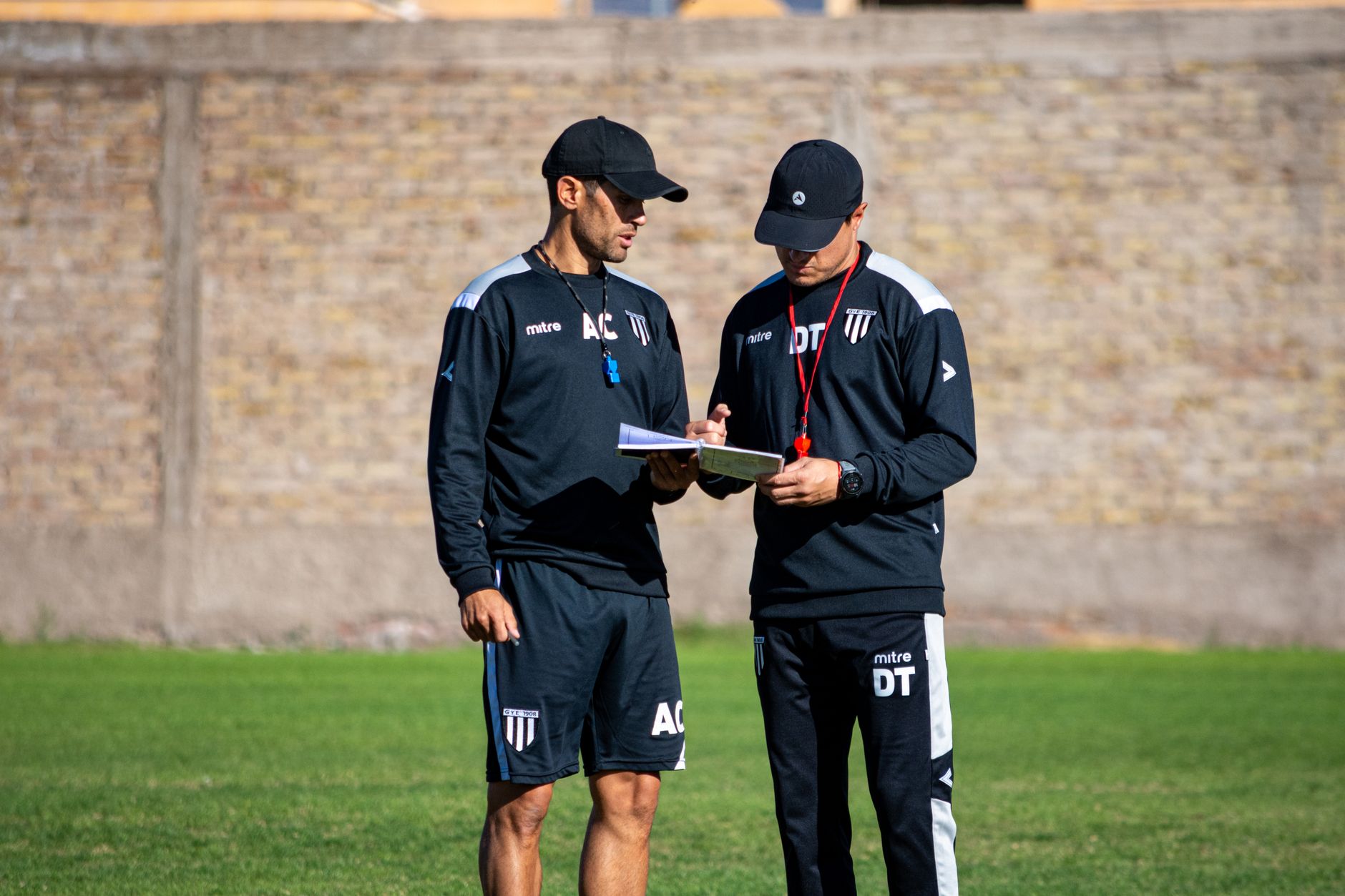
Good routines attack space rather than defenders. The core mechanism is separation, and separation is manufactured by using bodies legally. Players are entitled to occupy space, so a stack of attackers can be arranged such that a marker's route to his man passes through somebody else, and a decoy run can drag a zonal defender out of the area the delivery is aimed at. The line between a legal screen and a foul sits in whether contact was sought, which is why these patterns are built around standing still in the right place rather than initiating a collision.
The delivery is treated as a specification rather than a request for a good ball. Flight, pace, height and target zone are defined, because a routine designed for a flat inswinger fails completely against a floated cross. Layered on top is the second phase. A well-constructed set piece anticipates the clearance, positions a player on the edge of the area for the rebound, and keeps enough structure behind the ball that a cleared corner does not become a counterattack against a defence that has three of its four defenders in the opposition box.